

Passenger Vans vs SUVs
Passenger Vans vs SUVs
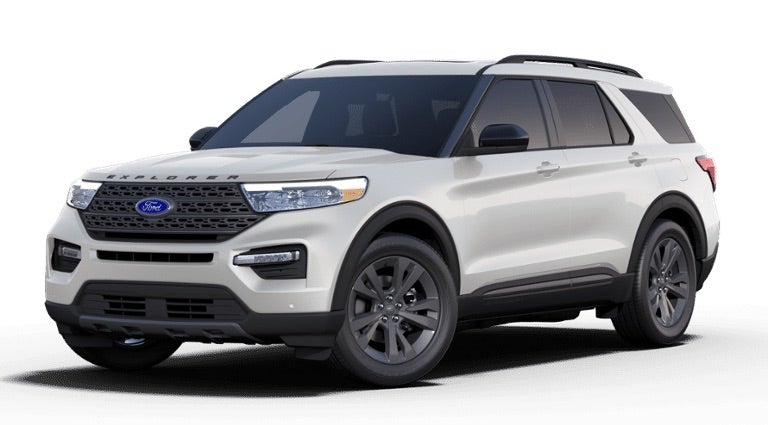
Frequently asked questions around passenger vans vs SUVs
For many consumers, choosing between a SUV and passenger van for sale is often difficult. They both offer unique advantages that must be weighed carefully in order for you to pick the vehicle best suited for your current needs. From their size differences, cost analysis, fuel efficiency information and safety features it's important to know all the facts before making your final choice. At Ewald’s Venus Ford, we aim to provide you with an objective comparison of SUVs versus passenger vans so that you can make an informed decision when searching for your next vehicle purchase.
What is the difference between a passenger van and an SUV?
Passenger vans are larger than SUVs and can typically seat up to 15 passengers. SUVs for sale, on the other hand, are smaller and can seat up to seven or eight people. Passenger vans also have more cargo space than SUVs.
Which is better for long trips, a passenger van or an SUV?
A passenger van for sale is typically better for long trips as it has more space and can seat more people. Additionally, passenger vans, like the Ford Transit van, typically get better gas mileage than SUVs for sale, which can save you money on fuel costs.
Are passenger vans safe?
Yes, passenger vans are safe. In fact, they are often used by schools and daycares to transport children as they are large and have plenty of safety features. However, it is important to note that all vehicles have their own risks and it is always important to drive safely.
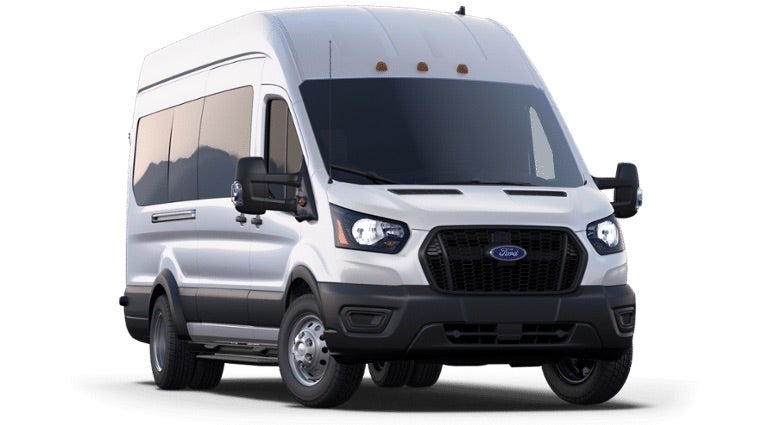
People also ask the following questions around passenger vans vs SUVs
What is the difference in seating capacity between passenger vans and SUVs?
Passenger vans typically have a higher seating capacity compared to the SUVs at our Ford dealership near you. A standard passenger van can seat anywhere from 8 to 15 people, while an SUV typically seats 5 to 7 people. This makes passenger vans a popular choice for group transportation, while SUVs are more suited for families or smaller groups. However, it is important to note that the exact seating capacity can vary depending on the make and model of the vehicle.
What are the fuel efficiency ratings for passenger vans and SUVs?
The fuel efficiency of passenger vans and SUVs can vary greatly depending on the make, model, and engine size. Generally, passenger vans tend to have lower fuel efficiency compared to SUVs for sale in Milwaukee, due to their larger size and weight. However, there are some high-end passenger vans that have been designed with fuel efficiency in mind and can have competitive ratings.
On the other hand, smaller SUVs tend to have better fuel efficiency compared to the larger models at our Ford dealer in Milwaukee. This is because they have smaller engines and are lighter in weight.
Ewald’s Venus Ford even offers a selection of electric vans and SUVs. The Ford E-Transit electric van offers an exciting EV powertrain for America’s favorite van. You can also find hybrid and electric SUVs for sale in the Ewald showroom. Whether you’re shopping for a Ford hybrid SUV or electric van, Ewald makes it easy to find a fuel-efficient ride.
It is important to consider your specific needs and driving conditions when comparing fuel efficiency ratings between passenger vans and SUVs. The fuel efficiency of a vehicle can also be affected by factors such as driving habits, terrain, and road conditions.
What are the towing capacities for passenger vans and SUVs?
The towing capacity for passenger vans and SUVs can vary greatly depending on the make, model, and engine size. In general, passenger vans are not designed for towing, and their towing capacities are limited. However, there are some commercial passenger vans that are equipped with towing packages and have higher towing capacities.
On the other hand, many SUVs for sale in Milwaukee have the capability to tow, and their towing capacities range from 1,500 to 8,500 pounds or more. It is important to note that not all SUVs are capable of towing, and it is best to check the manufacturer's specifications to determine the exact towing capacity of a specific vehicle.
It is important to consider your towing needs and the weight of the load you will be pulling when choosing between a passenger van and an SUV for sale. Overloading a vehicle can damage the engine, transmission, and other components, so it is important to stay within the recommended towing capacity.
What is the difference in the cost of maintenance between passenger vans and SUVs?
The cost of maintenance between passenger vans and SUVs can vary greatly depending on several factors, including the make and model of the vehicle, the type of maintenance required, and the location of the service.
In general, passenger vans for sale tend to have higher maintenance costs due to their larger size and the fact that they are often used for commercial purposes, which can result in more wear and tear on the vehicle. Some of the factors that can impact maintenance costs for passenger vans include the cost of parts, the cost of labor, and the frequency of maintenance required.
SUVs typically have lower maintenance costs compared to passenger vans, due to their smaller size and less commercial use. However, some high-end SUVs with luxury features and advanced technology can have higher maintenance costs due to the cost of parts and the specialized knowledge required to service these vehicles.
It is essential to consider the maintenance costs for a specific model when choosing between a passenger van and an SUV. Regular maintenance, such as oil changes and tire rotations, can help to keep the vehicle running smoothly and extend its lifespan, so it is vital to factor this into the overall cost of ownership.
What is the difference in versatility between passenger vans and SUVs?
Passenger vans and SUVs have different strengths when it comes to versatility.
Passenger vans are designed for large group transportation and offer a high seating capacity, making them a good choice for group trips, school outings, and other activities that require the transportation of multiple people. They also offer plenty of storage space for luggage and other items, making them a good choice for extended trips or vacations.
On the other hand, SUVs are designed for versatility in a different way. They are smaller and more maneuverable than passenger vans, making them a good choice for urban driving and navigating narrow roads or tight spaces. SUVs also offer a higher ride height and better ground clearance, making them a good choice for off-road adventures or navigating rough terrain. Additionally, many SUVs are equipped with advanced features such as all-wheel drive and four-wheel drive, making them well-suited for challenging driving conditions.
In summary, passenger vans offer high seating capacity and storage space, making them a good choice for group transportation and extended trips, while SUVs offer versatility in terms of size, maneuverability, and off-road capability. It is important to consider your specific needs and driving conditions when choosing between a passenger van and an SUV at our Milwaukee Ford dealer.

Although every reasonable effort has been made to ensure the accuracy of the information contained on this site, absolute accuracy cannot be guaranteed. This site, and all information and materials appearing on it, are presented to the user "as is" without warranty of any kind, either express or implied. All vehicles are subject to prior sale. All prices are plus tax, title, license registration and $479 service fees.. ‡Vehicles shown at different locations are not currently in our inventory (Not in Stock) but can be made available to you at our location within a reasonable date from the time of your request, not to exceed one week. Photos are for representation only. MSRP may not reflect total cost due to upfits or additional equipment. MSRP may not represent the actual price at which vehicles are sold in this trade area.