

Buying Your First EV
Buying Your First EV
Frequently asked questions around buying your first EV
The EV revolution is in full swing and it has never been a better time to join the game! With more charging stations, increased range, and improved consumer-friendly designs, electric vehicles (EVs) are becoming an increasingly attractive option for those looking to upgrade their driving experience. Whether you’re ready to reduce your carbon footprint or cut your reliance on expensive gasoline prices, purchasing an electric car for sale can have many benefits. In this blog post we will discuss some of the important considerations when buying your first Ford electric car. Read on to gain insight into how much money you could save and what features might be worth investing in for maximum efficiency!
What is the range of an EV, and will it meet my daily driving needs?
The range of an electric vehicle (EV) refers to the maximum distance it can travel on a single charge. The range of different electric cars for sale can vary widely, depending on factors such as the size of the battery, the efficiency of the drivetrain, and the vehicle's weight.
In general, most new electric cars have a range of around 100-400 miles, although some models have a range that exceeds 400 miles.
Whether an EV's range will meet your daily driving needs depends on several factors, including the distance you drive each day, the number of stops you make, and the conditions under which you drive (such as hills, stop-and-go traffic, and extreme weather).
If you have a short daily commute and don't drive long distances, a lower-range Ford electric car may be sufficient for your needs. However, if you frequently drive long distances or take road trips, you may want to consider an EV with a higher range.
It's important to note that the actual range you get in real-world driving conditions can be lower than the manufacturer's estimated range, so be sure to take this into account when evaluating your options.
What electric vehicle models does Ford currently offer, and what are the key differences between them?
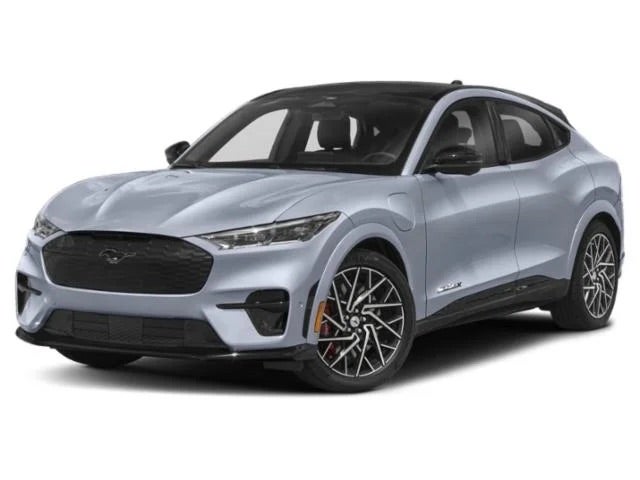
- The Ford Mustang Mach-E is an all-electric SUV that has a range of up to 312 miles. The electric Mustang boasts luxurious amenities and an engaging driving experience you have to experience to understand. Stop by our Ford dealer near you to test-drive the new electric Mustang for yourself!
- The Ford F-150 Lightning is an all-electric pickup truck that has a range of up to 320 miles. This electric Ford truck features two electric motors that work together to provide more torque than any other F-150. If you’re in the market for a fuel-efficient truck, the electric F-150 is well worth consideration. Test-drive the Ford Lightning for sale today at Ewald’s Venus Ford!
- The Ford Transit Connect Electric is an all-electric van that has a range of up to 126 miles, depending on the configuration. Electric vans are a wonderful investment to decrease the operational expenses of your business. Learn more about the Ford EV program at our dealership near you!
How does the driving experience compare between a Ford EV and a traditional gasoline vehicle, and what are some of the key benefits of owning an EV?
The driving experience between a Ford EV and a traditional gasoline vehicle can be quite different. One of the main differences is the instant torque provided by electric motors, which can give EVs a quicker and smoother acceleration compared to gasoline vehicles. Additionally, since EVs have fewer moving parts, they can be quieter and smoother to drive than a traditional car.
As for the benefits of owning an electric car for sale, here are a few key ones:
- Cost savings: Operating a new electric car is typically cheaper than a gasoline vehicle in the long run, as electricity is cheaper than gasoline and EVs have fewer moving parts, which means less maintenance.
- Lower environmental impact: EVs produce zero tailpipe emissions and have a lower carbon footprint over their lifetime compared to gasoline vehicles.
- Convenient charging: With the growing availability of charging infrastructure, charging an EV at home or at a public charging station is becoming increasingly convenient. Our Milwaukee Ford dealer can answer all of your questions about installing your own home charging station.
- Government incentives: Many governments offer incentives, such as tax credits and rebates, to encourage people to buy EVs, which can make them more affordable.
- Quiet and smooth driving experience: As mentioned earlier, EVs can offer a quiet and smooth driving experience, making them enjoyable to drive.
What is the charging experience like for a Ford EV, and how can I find a charging station near me?
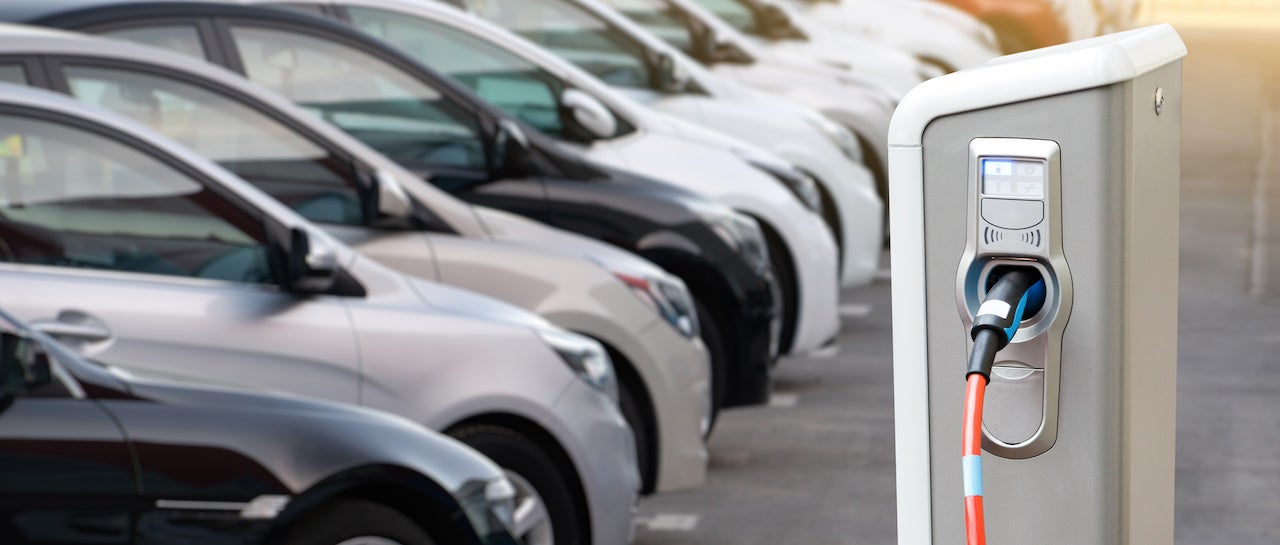
The charging experience for a Ford electric vehicle (EV) varies depending on the model and the type of charging station you use. If you charge your Ford EV at home, you can use a Level 1 charging cable that plugs into a standard household outlet, which is the slowest but most convenient option. Level 2 charging, which is faster and typically requires a dedicated charging station, is also a common option for home charging. Some Ford electric cars for sale also offer the ability to fast charge using a Level 3 DC fast-charging station, which can provide an 80% charge in as little as 30 minutes.
To find charging stations near you, there are a number of online tools and smartphone apps available, such as PlugShare and Chargemap, that can help you locate charging stations and plan your trips. These tools typically allow you to search for charging stations based on your location, the type of charging station you need, and other criteria such as accessibility and user ratings. Additionally, many Milwaukee Ford EVs come with built-in navigation systems that include information on nearby charging stations.
People also ask the following questions around buying your first EV
What is the cost of owning an EV, compared to a traditional gasoline vehicle?
The cost of owning an electric vehicle (EV) can be lower than that of a traditional gasoline vehicle in the long run, but it depends on several factors such as the price of electricity, the cost of the vehicle, driving habits, and the cost of maintenance.
Here are some of the cost considerations:
- Purchase price: While EVs tend to have a higher upfront cost compared to similar gasoline vehicles, the cost difference can be offset by incentives and tax credits offered by many governments.
- Fuel costs: The cost of electricity is typically lower than gasoline, so it can be cheaper to operate an EV over the long term.
- Maintenance costs: EVs have fewer moving parts and less complexity compared to gasoline vehicles, which means they typically have lower maintenance costs.
- Tax incentives: Many governments offer tax incentives and rebates to encourage people to buy electric cars for sale, which can further reduce the cost of ownership.
The cost of owning an EV can vary depending on the specific vehicle and local factors such as the price of electricity and taxes. It's recommended to do your own research and consult with a financial advisor to determine the true cost of owning an EV in your specific situation.
Are there any government incentives available to help offset the cost of buying an EV?
With electric cars becoming increasingly popular, the government has stepped up to provide incentives for those looking to purchase an electric vehicle. There are various tax credits and rebates available at both the federal and state level to help offset the cost of electric car purchases. Depending on your area, you could qualify for a federal electric vehicle tax credit which will immediately lower the electric car for sale price or other unique government assistance programs tailored to electric vehicles. On top of that, many retailers are offering additional electric vehicle discounts exclusive to their stores or websites in order to try and get more people behind electric powered wheels. So with all of these great incentives at hand, there is no better time than now to consider buying an electric vehicle from our Milwaukee Ford dealership!
What is the maintenance like for an EV, compared to a traditional gasoline vehicle?
Electric vehicles (EVs) require less maintenance than traditional gasoline vehicles. Owners of electric cars for sale do not have to worry about oil changes and spark plugs, since electric motors require no lubricants or tune-ups. Additionally, regenerative braking found in EVs can lead to improved brake life over time when compared with a traditional car. Auxiliary electric elements like the HVAC system and power steering also tend to require less attention due to their more durable electric components. That said, electric cars are no stranger to maintenance needs; regular cleaning and tyre rotations should still occur just like any other vehicle, as well as battery monitoring and charging inactivity checks that may be required depending on the brand. Furthermore, other factors such as climate can affect the lifespan of your electric car’s battery pack, leading to a need for more frequent maintenance trips to the dealer or garage.

Although every reasonable effort has been made to ensure the accuracy of the information contained on this site, absolute accuracy cannot be guaranteed. This site, and all information and materials appearing on it, are presented to the user "as is" without warranty of any kind, either express or implied. All vehicles are subject to prior sale. All prices are plus tax, title, license registration and $479 service fees.. ‡Vehicles shown at different locations are not currently in our inventory (Not in Stock) but can be made available to you at our location within a reasonable date from the time of your request, not to exceed one week. Photos are for representation only. MSRP may not reflect total cost due to upfits or additional equipment. MSRP may not represent the actual price at which vehicles are sold in this trade area.